



Over time
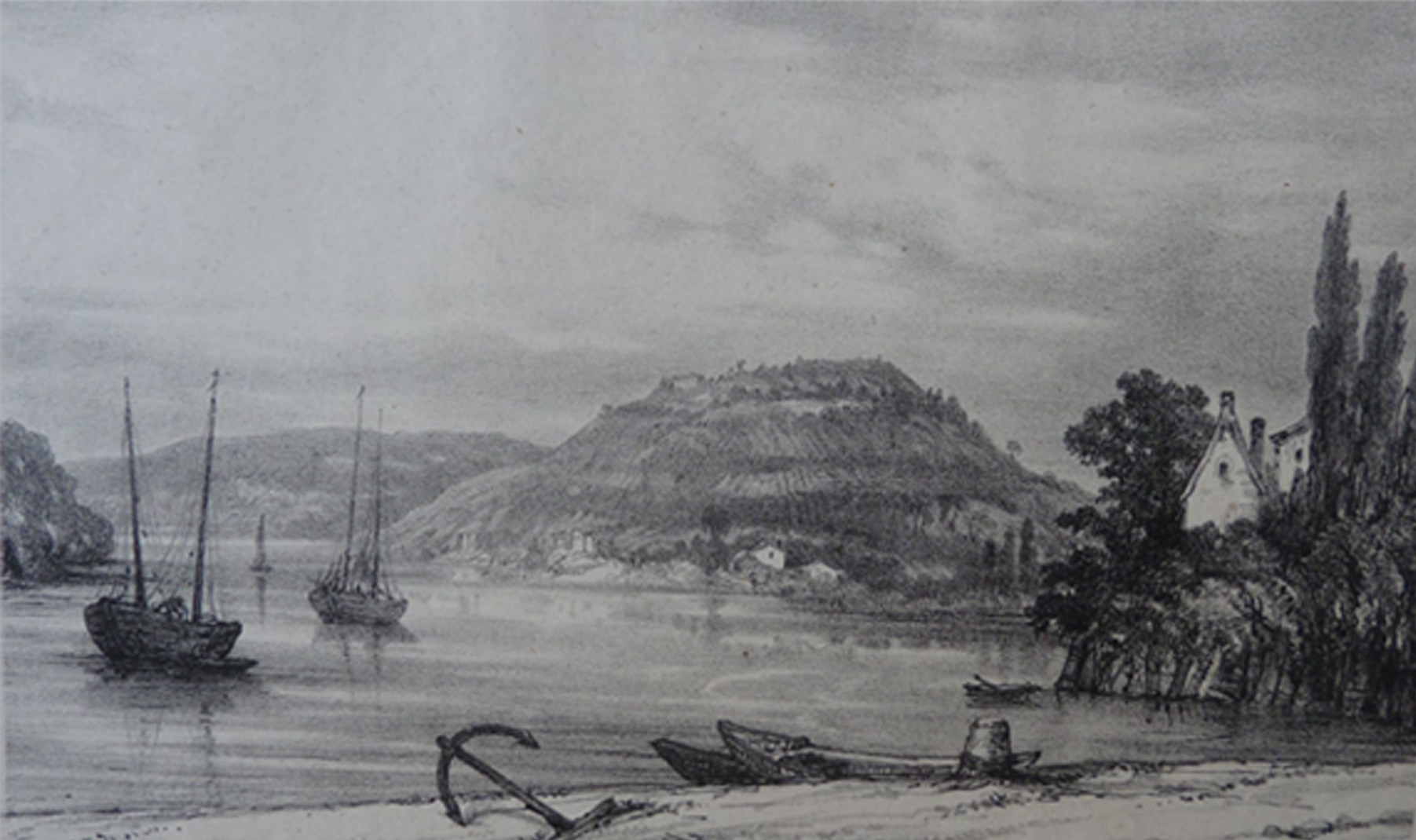
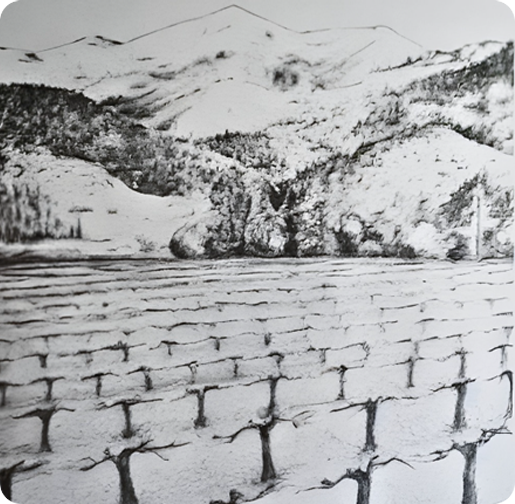
Once upon a time, there was Fronsac, the cradle of the Bordeaux vineyards. About 2,000 years ago, the Romans introduced the European vine (Vitis vinifera) and established the first vineyard on the southern slope of the 'Tertre de Fronsac', where part of the Château Richelieu vineyard is located today.
Over the centuries, the wounds of the Hundred Years' War healed, and the 17th century gave new momentum to the vineyard, once again marked by the arrival of a no less famous figure: Cardinal Richelieu.
Cardinal Richelieu
Cardinal Richelieu (Armand Jean du Plessis de Richelieu), a French noble, was born in September 1585 in Paris. Serving as Minister of State under King Louis XIII at the beginning of the 17th century, the Cardinal was a man of imposing charisma in the presence of a king now under his influence. He is also recognized as one of the founders of France's ascendancy. The lordship of Fronsac, elevated to a ducal peerage, subsequently became the property of his elder sister. She thus became the sole heir to the duchy of Richelieu and Fronsac.
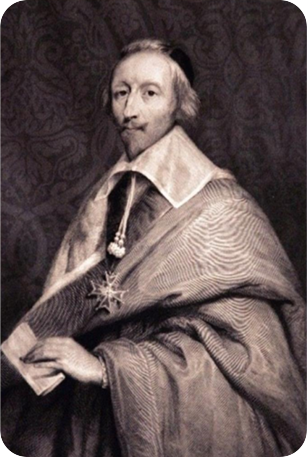
From the Rijksmuseum, Amsterdam, Netherlands
Armand Jean du Plessis de Richelieu, Cardinal 1585 – 1642
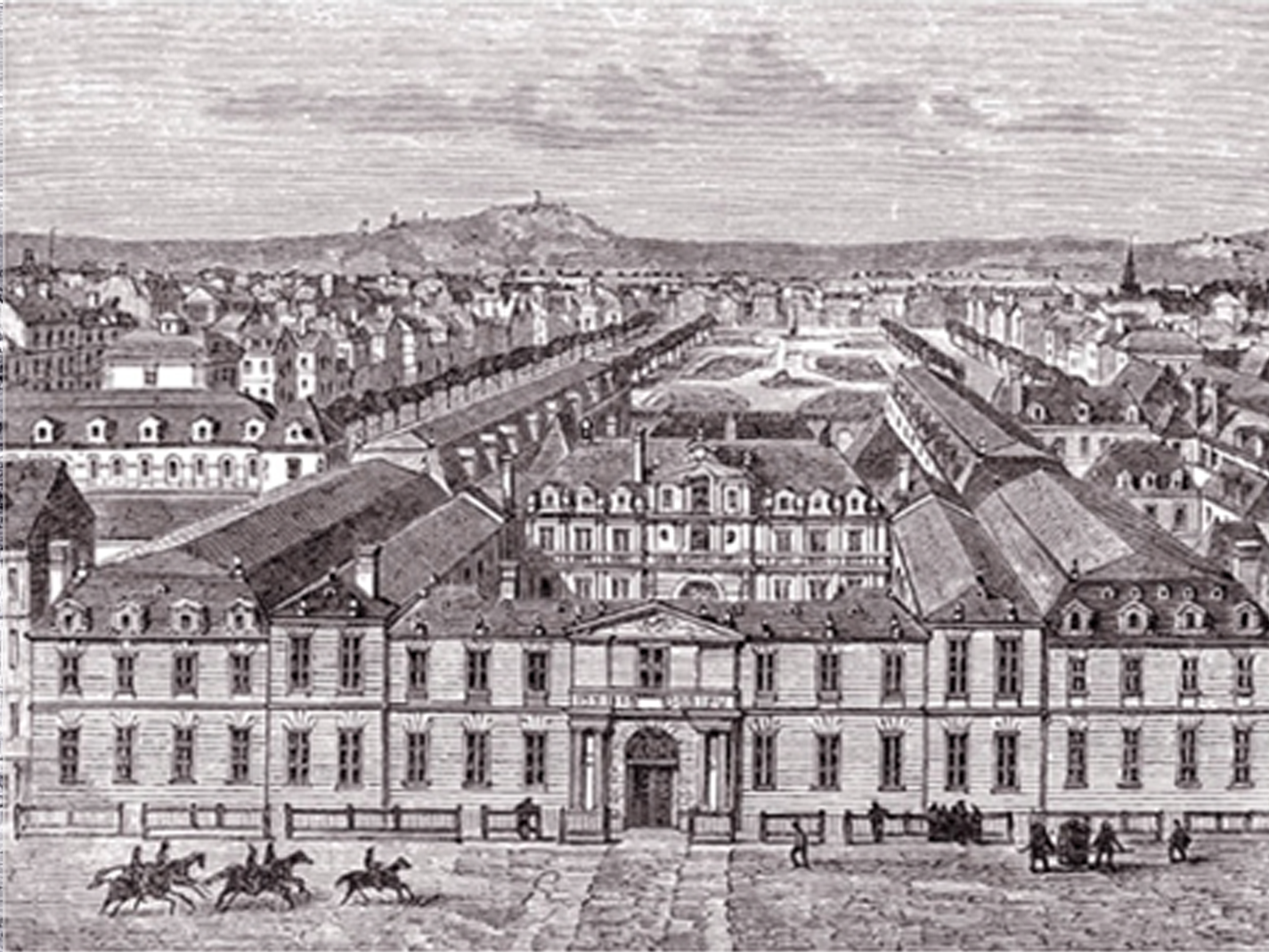
Château Richelieu
The Château de Richelieu is an imposing 17th-century château located in the Touraine region of France. It was built on the orders of Cardinal Richelieu, after whom it is named. Constructed between 1631 and 1642, it took eleven years to complete, combining majestic architecture with axial gardens and housing numerous European treasures. It was a symbol of power and art.
Marshal of Richelieu and Duke of Fronsac
In 1766, the vineyard and the château remained in the possession of Marshal Richelieu (Louis François Armand du Plessis). The cardinal’s grandnephew, Marshal Richelieu and Duke of Fronsac in 1715, godson of Louis XIV, captivated the court of Versailles with his famous 'Richelieu Herbal Tea', whose healing properties would later be praised by Louis XV, who saw his 'intestine languors' vanish as if by magic. This colourful character contributed to the great renown of the wines of Fronsac in the 18th century, which experienced a qualitative rise and an unprecedented reputation.

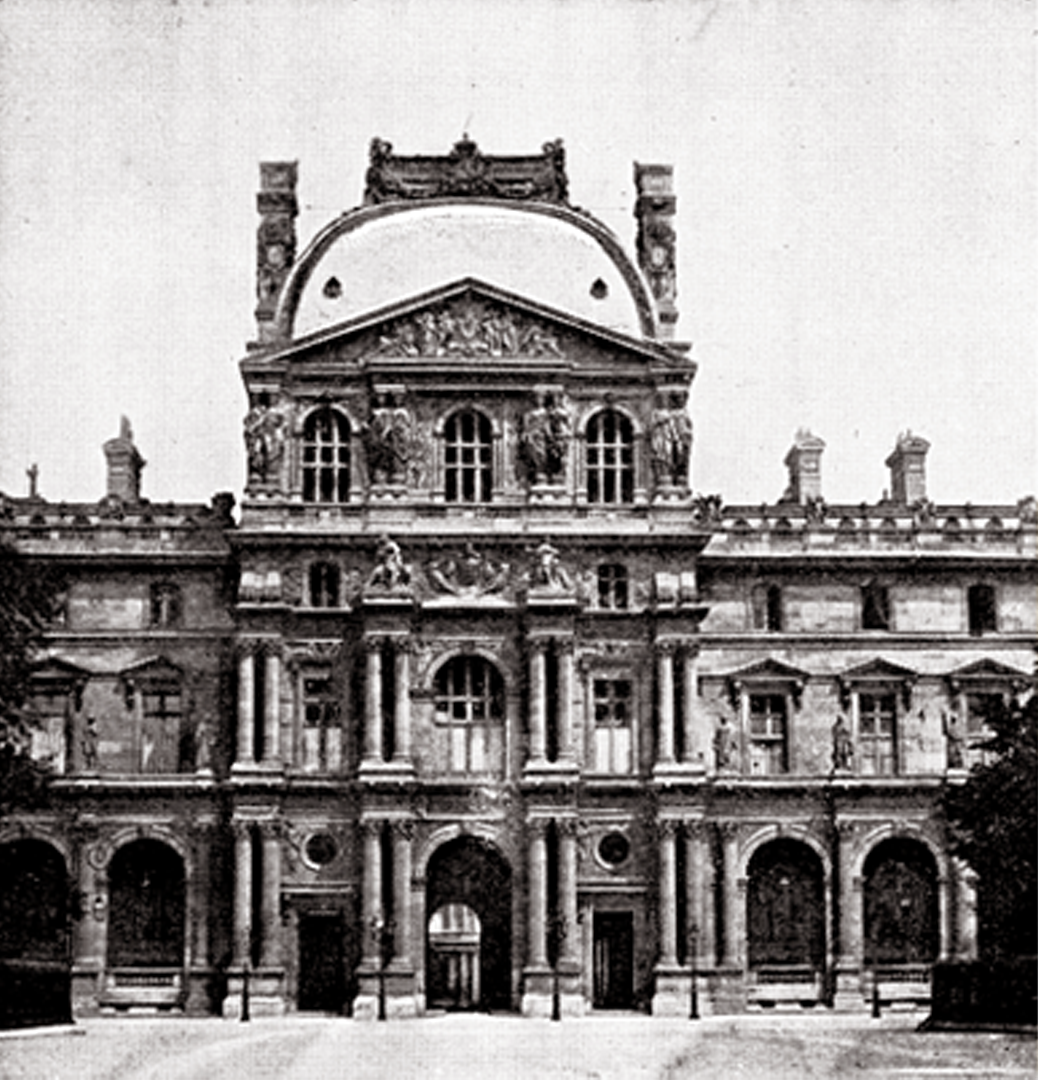
The Richelieu Pavilion of the Louvre in Paris
The Richelieu Pavilion is one of the three main pavilions of the Louvre Museum in France. It is named after Cardinal Richelieu during the reign of Louis XIII. This important figure in French history is famous not only for his political achievements, but also for his art collection and his role in cultural transmission.
Richelieu estate
King Louis XIII of France granted Cardinal Richelieu the lordship of the Duchy of Fronsac, making him Duke of Fronsac. This royal favor marked the beginning of the centuries-long bond between the Richelieu family and Fronsac. By 1632, the Richelieu family owned the château and the vineyards; the Richelieu estate shone like a pearl set in the course of history, reflecting the splendor of aristocratic culture. This "viticultural treasure" was not only a historic Bordeaux vineyard but also a symbol of the spirit of the French nobility.
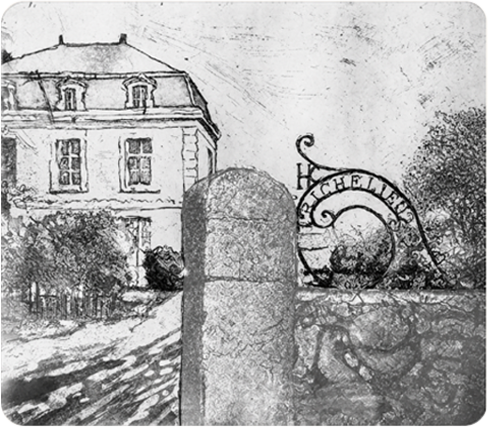
From the Palace of Versailles, across the Atlantic, to the cradle of ancient Eastern civilization, the Château de Richelieu has always been a legendary and fascinating place, bearing a deep historical heritage while nurturing a future full of hope.
